
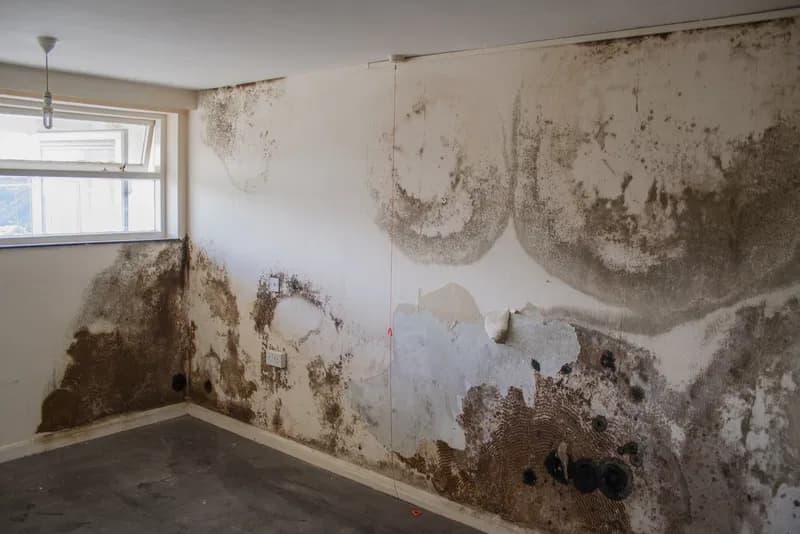
Learn to identify rising damp before it causes thousands in damage. Early detection is key to protecting your property value.
What is Rising Damp?
Rising damp occurs when ground moisture travels up through porous building materials via capillary action. Without an effective damp-proof course (DPC), water can rise up to 1.5 meters above ground level, causing serious structural damage.
Warning Sign #1: Tide Marks on Walls
Look for horizontal staining lines on walls, typically at the same height around the room. These marks are caused by salts left behind as water evaporates. They're often yellowish or brown and may have a crusty texture.
Warning Sign #2: Peeling Paint and Wallpaper
Moisture behind walls causes decorative finishes to lose adhesion. If paint is bubbling or wallpaper is peeling away near skirting boards, rising damp is a likely culprit.
Warning Sign #3: Musty Smell
Persistent damp creates the perfect environment for mould and mildew. A musty, earthy smell that doesn't go away even with ventilation indicates moisture problems behind walls.
Warning Sign #4: Damaged Skirting Boards
Wooden skirting boards in contact with damp walls will rot, warp, or crumble. Check for soft spots, discoloration, or wood that flakes away easily.
Warning Sign #5: Salt Deposits
White, powdery deposits on walls (efflorescence) are salts drawn out of building materials by rising moisture. This is one of the clearest indicators of a damp problem.
Key Takeaways
- Rising damp affects 1 in 5 UK properties
- Left untreated, it causes £10,000+ in damage
- Professional diagnosis is essential
- Modern DPC injection is 95% effective
- Treatment typically takes 1-2 days